Field Notes · NVIDIA GTC · Taipei · June 2026
GTC 2026, Taiwan, and the People Building the Physical AI Era
A week after NVIDIA GTC 2026, the most enduring takeaway was not a keynote highlight or a hardware reveal. It was the people — and what it takes to make intelligence reliable when it meets the real world.

Jerson Boyd Milan
Founder, Neicrone
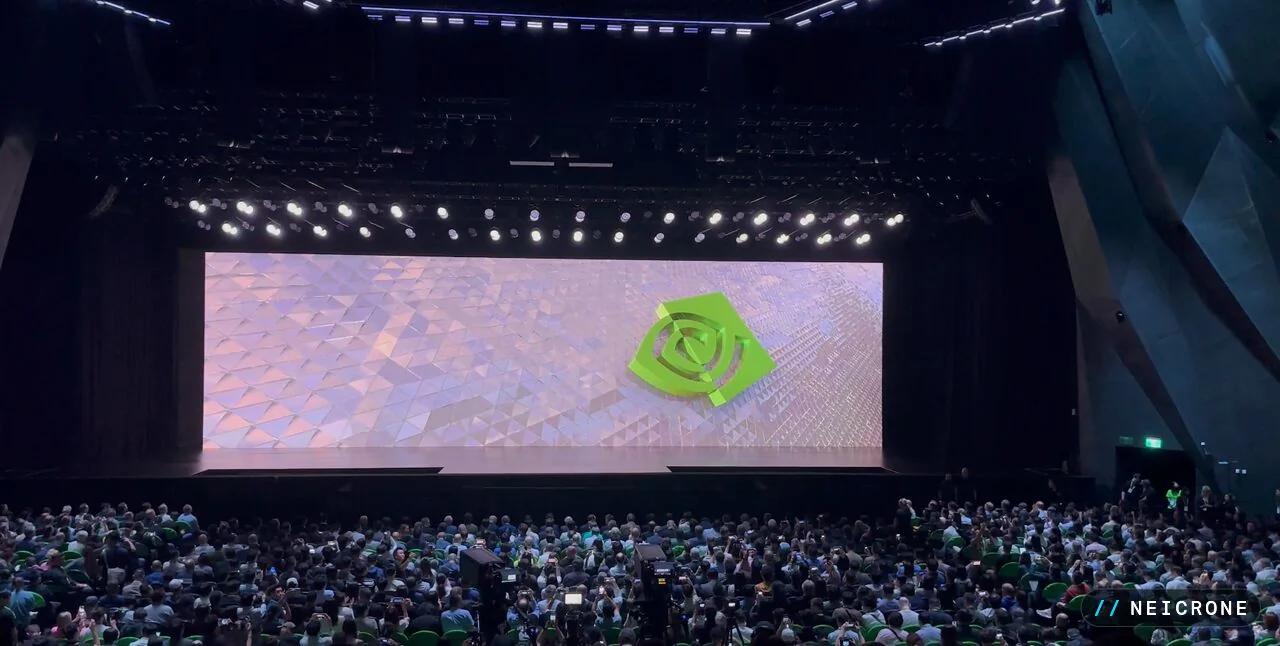
It has been a little over a week since NVIDIA GTC 2026. Now that the immediate noise of the event has settled, the most enduring takeaway isn't a keynote highlight, a hardware reveal, or a technical demonstration.
It was the people.
Engineers, researchers, founders, operators, and builders from every corner of the globe gathered around a fundamental inflection point: AI is transitioning from an application layer into core physical infrastructure.
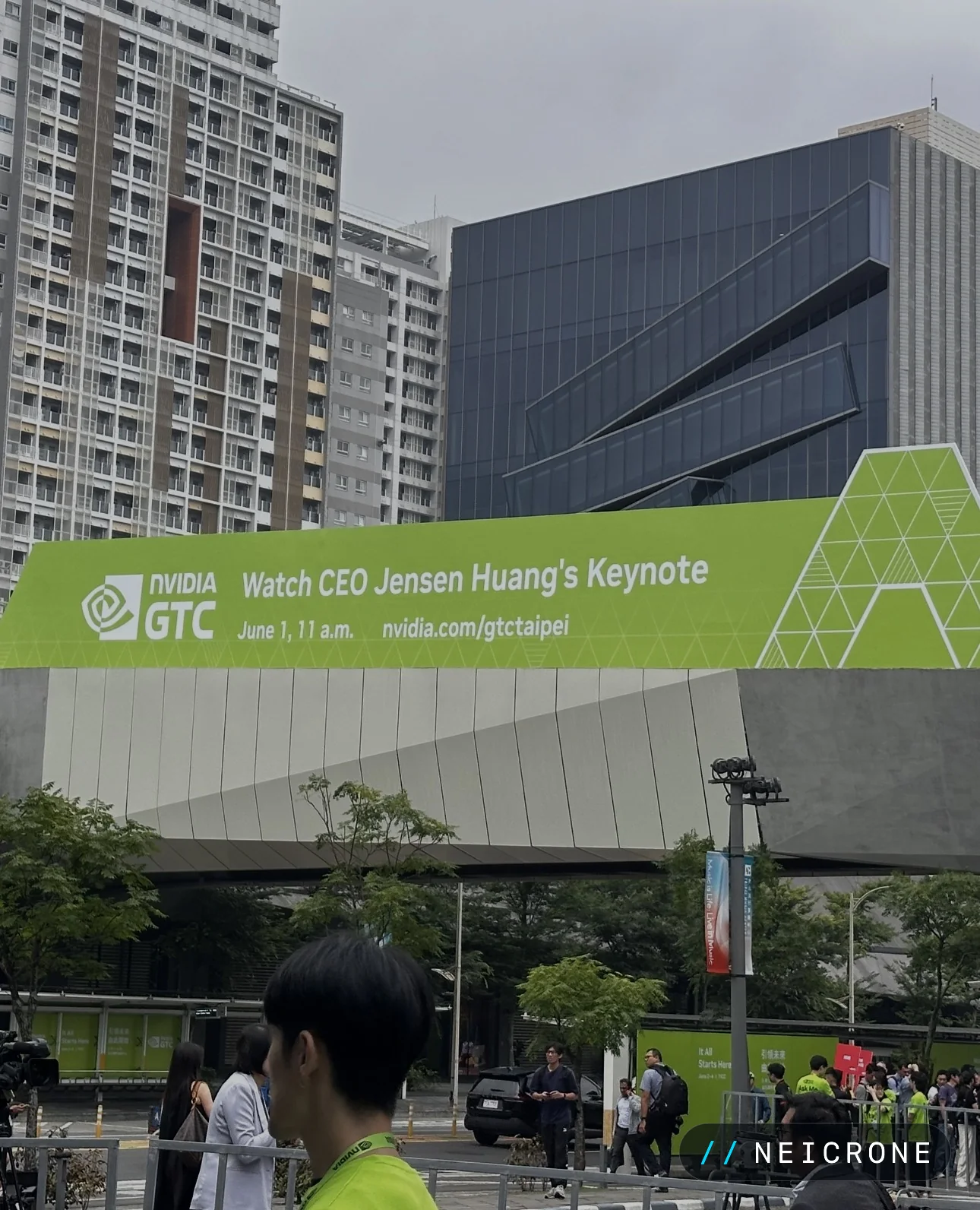
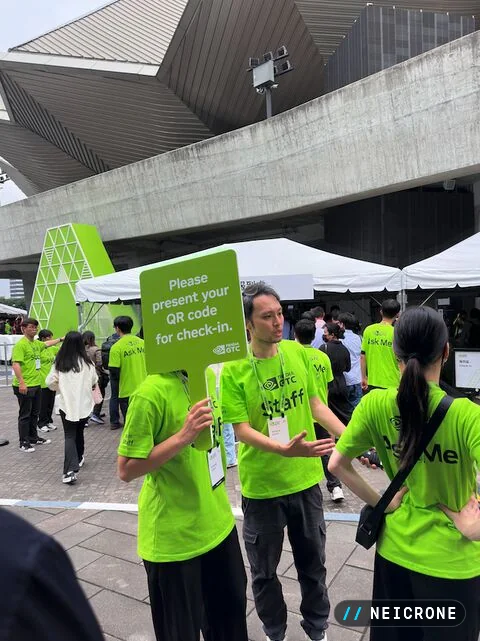
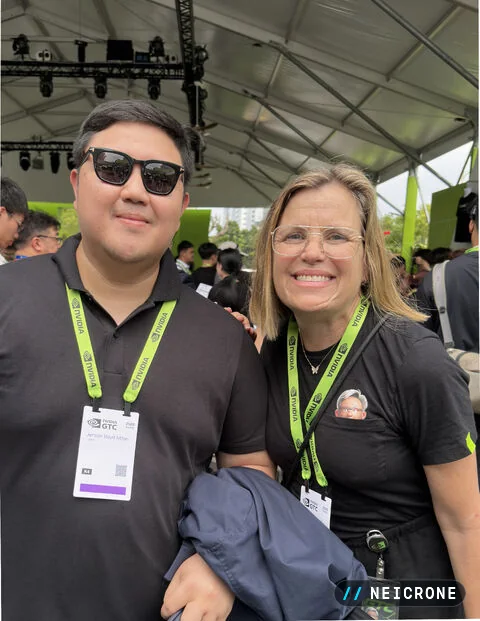
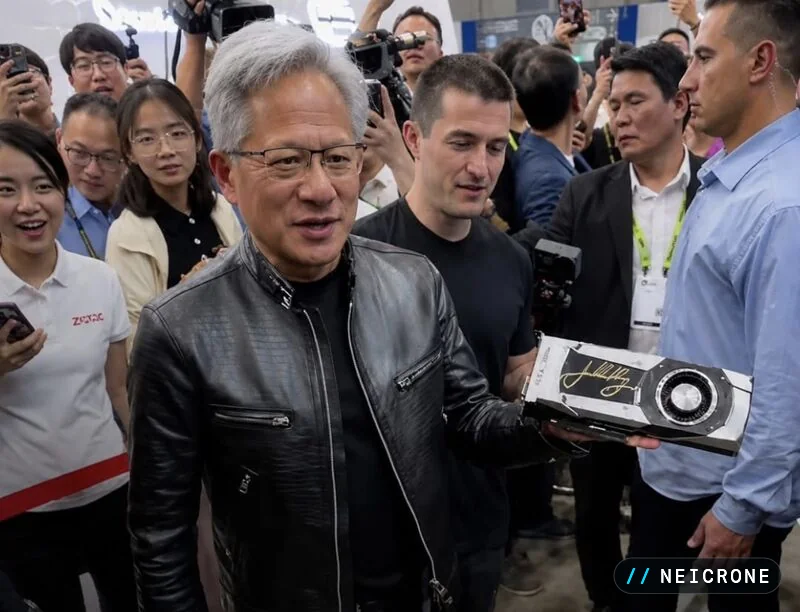
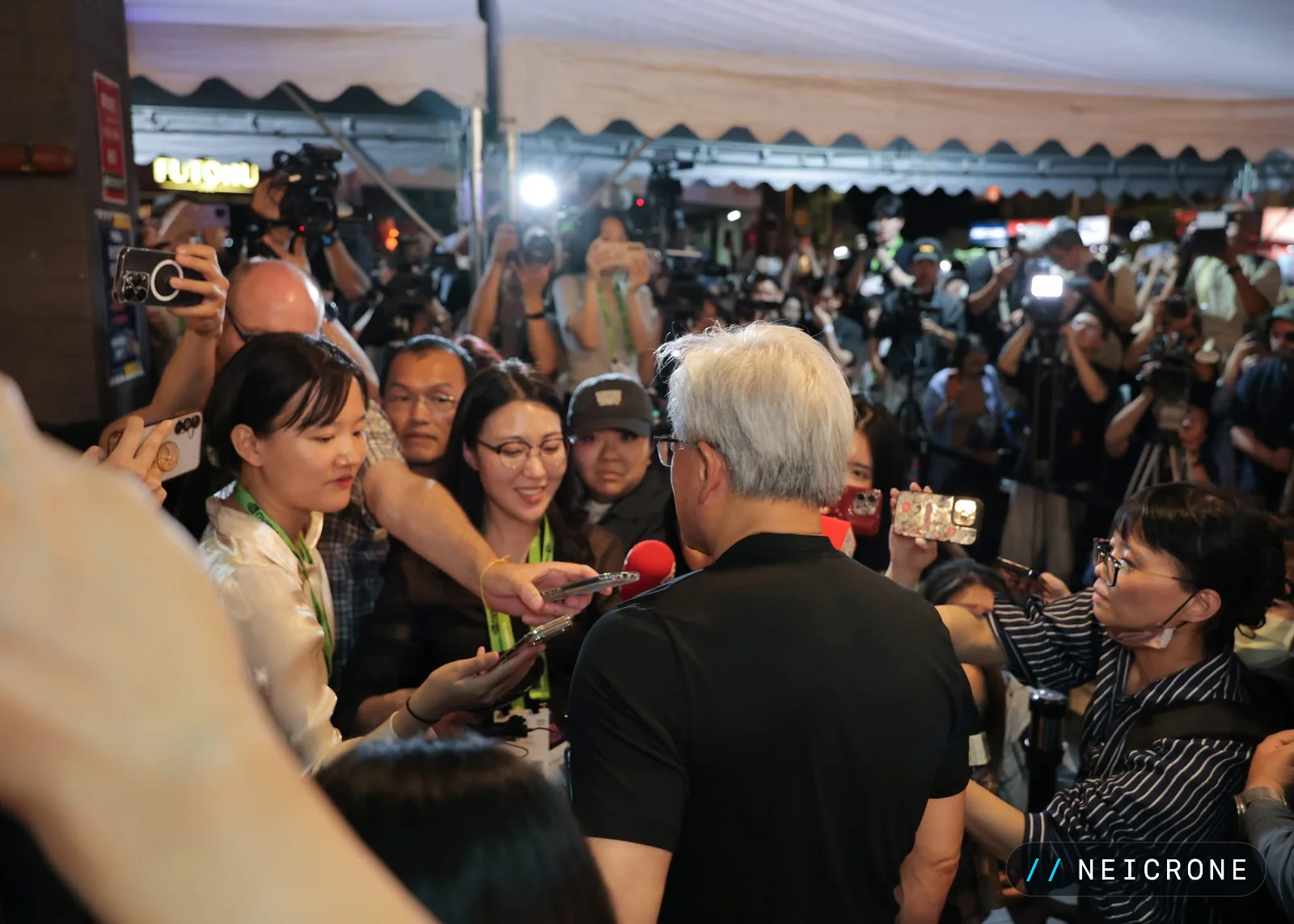
NVIDIA framed GTC 2026 around this shift, drawing over 30,000 attendees from 190 countries spanning the entire AI stack — from energy and compute to models, autonomous agents, robotics, and physical AI. But walking the floor offers a vastly different perspective than watching a live stream. The real signals rarely come from the stage; they happen between the sessions.
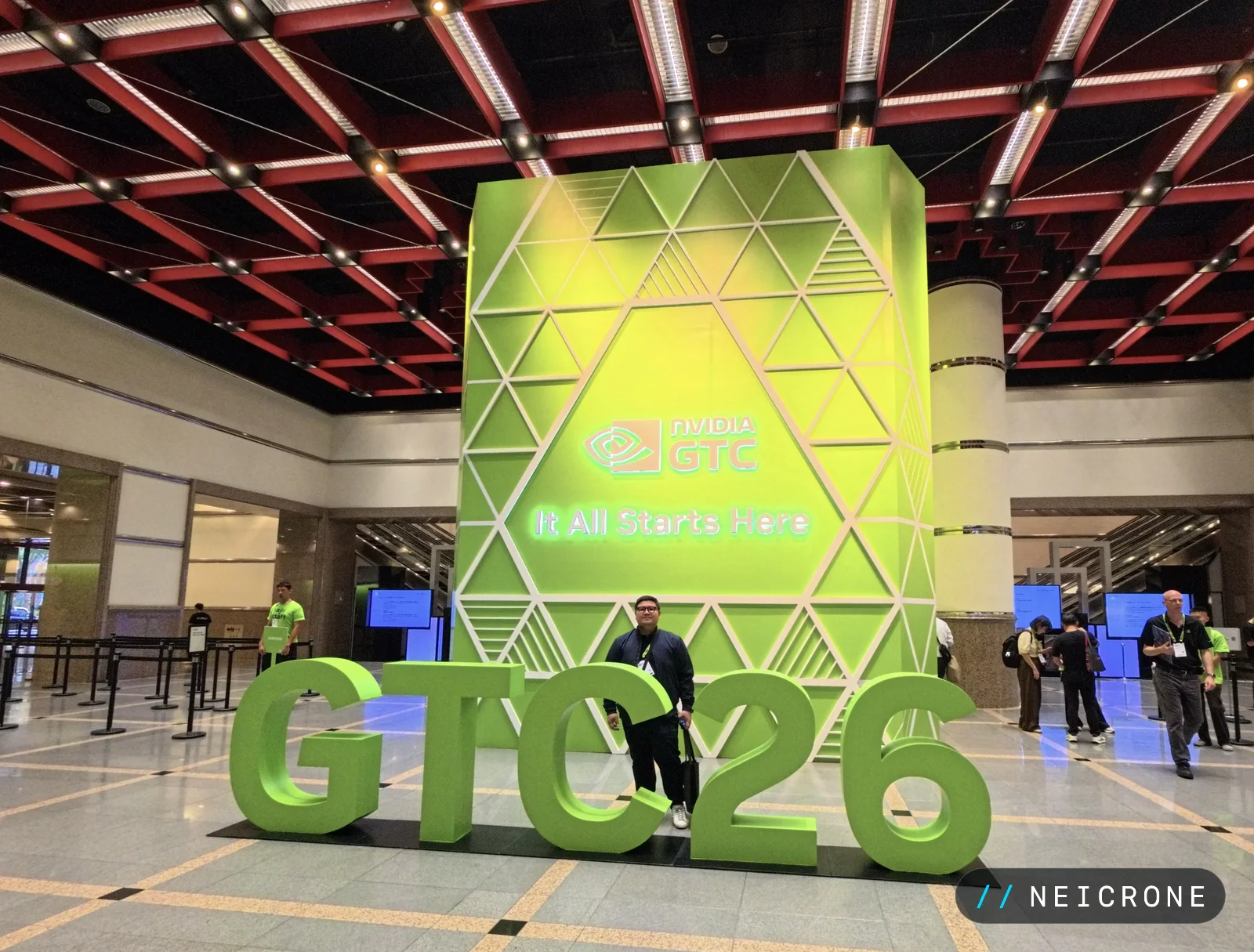
- A few minutes with an engineer working through a difficult systems integration problem.
- A conversation with a founder building around technology that did not exist 24 months ago.
- A researcher considering what happens when intelligence leaves the screen and encounters friction, gravity, and physical constraints.
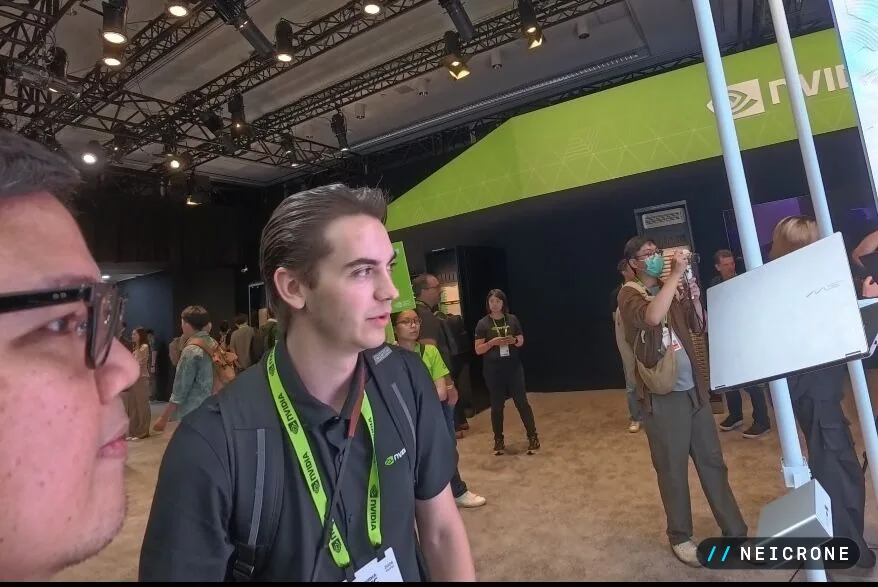
Those moments offer a much clearer view of where this industry is actually heading.
Beyond the keynote: where models meet constraints
One of the clearer takeaways from GTC was the vast, expanding scope of the ecosystem. AI is no longer confined to model development. It increasingly depends on the surrounding physical and digital architecture: compute, high-bandwidth networking, sensors, real-time data pipelines, edge computing, robotics, energy grids, and the operational software holding them together.
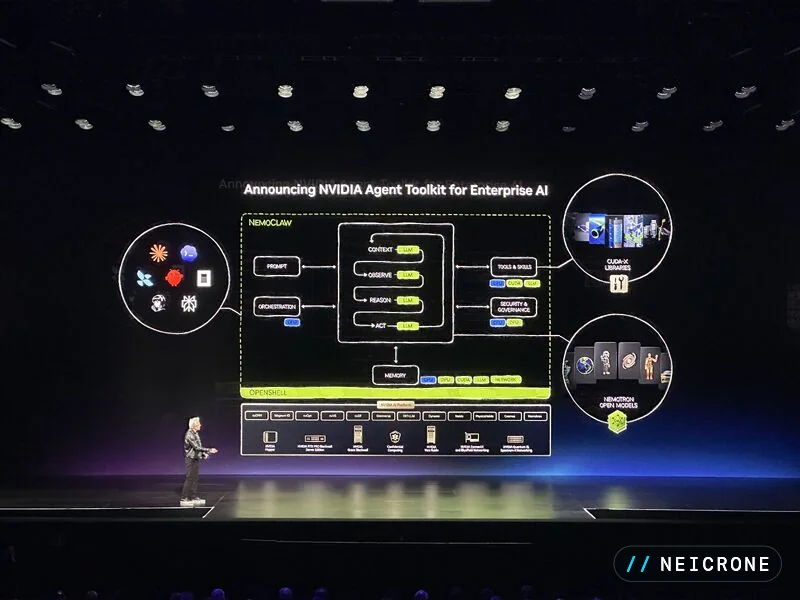
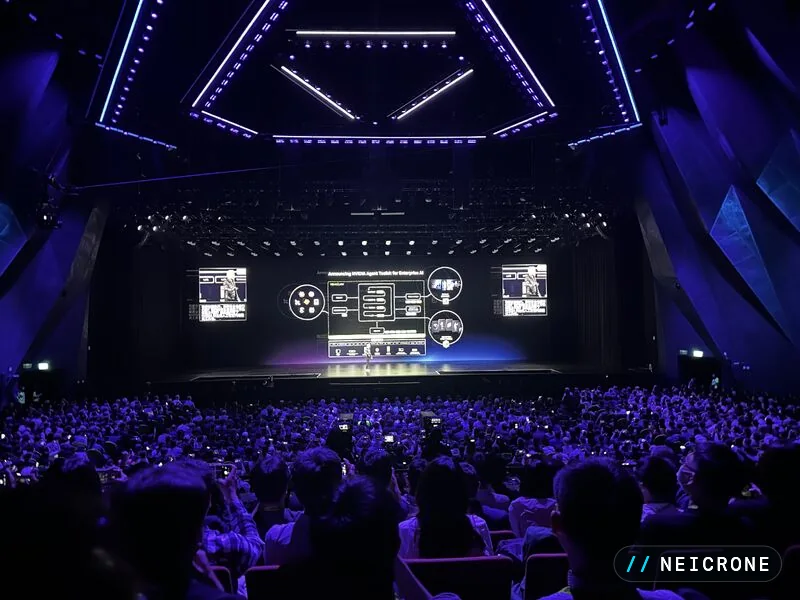
That distinction matters deeply. A capable model does not automatically yield a reliable physical system.
Once intelligence connects to the real world, the problem domain changes entirely. Physical systems encounter variables that simulation struggles to replicate: changing surfaces, micro-climates, mechanical wear, unpredictable obstacles, edge latency, sensor degradation, and non-deterministic edge cases.
This is precisely the core challenge we focus on at Neicrone: What infrastructure is required between an intelligent model and reliable operation in the physical world?
Our thesis is that a foundational piece of that answer is verifiable evidence. Not simply generating larger volumes of data, but establishing higher-fidelity proof about where, when, and under what exact conditions an observation occurred — and ensuring that observation can be verified continuously from the physical environment, through the sensor and edge stack, to the final validation process.
This rationale drives Neicrone's focus on fleet instrumentation, edge sensor pipelines, telemetry integrity, physical validation, and chain-of-custody infrastructure.
The human layer
Tech conferences often make progress feel abstract — flattened into parameters, FLOPS, benchmarks, inference speed, and deployment scale. Being on the ground restores the human perspective.
Behind every breakthrough are people solving hyper-specific problems:
- Engineers who have dedicated years to perfecting sensor calibration.
- Autonomy specialists accounting for long-tail real-world edge cases.
- Hardware architects designing around strict thermal and energy limits.
- Builders figuring out how high-throughput data moves seamlessly from a remote edge device into an actionable pipeline.
- Operators working through the regulatory, commercial, and physical bottlenecks that dictate whether technology actually leaves the lab.
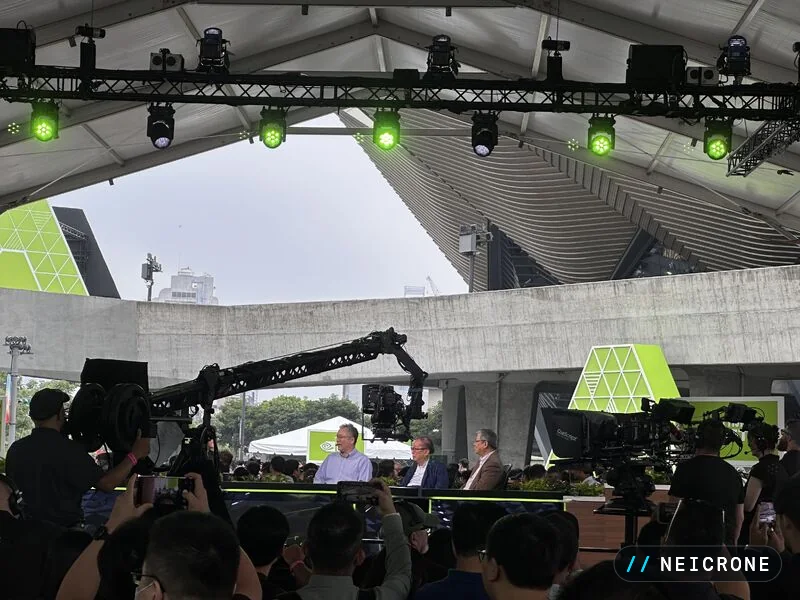
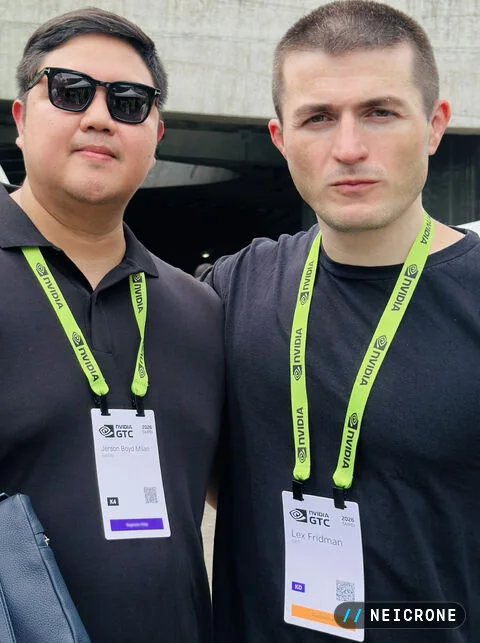
I also had a brief chance to connect with Lex Fridman during the trip. It was a small moment in an otherwise relentless week, but a welcome reminder that behind the massive scale of the AI industry are individuals simply asking grounded questions about where these technologies are carrying us.
The proximity of Taiwan
Returning to Taiwan immediately after GTC added a compelling second dimension to the experience.
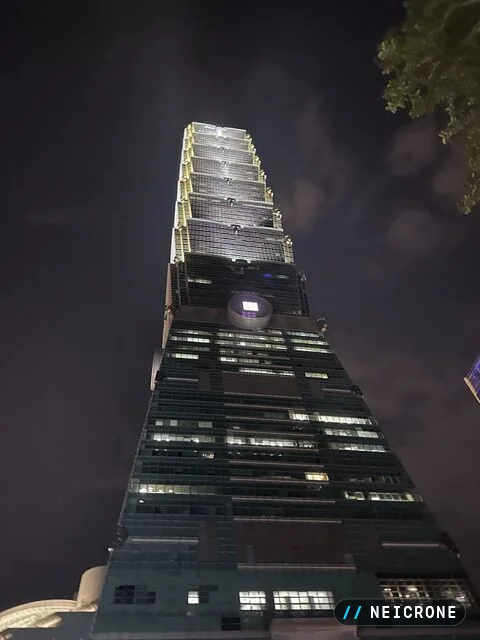
Taiwan's tech ecosystem possesses a rare density: advanced semiconductor manufacturing, industrial engineering, R&D, hardware assembly, and daily commercial deployment exist in remarkably tight proximity.
That spatial proximity matters. The transition toward physical AI requires tight integration between raw intelligence and the systems that manufacture, sense, move, control, and maintain physical assets. Taiwan provides a front-row seat to that synthesis.
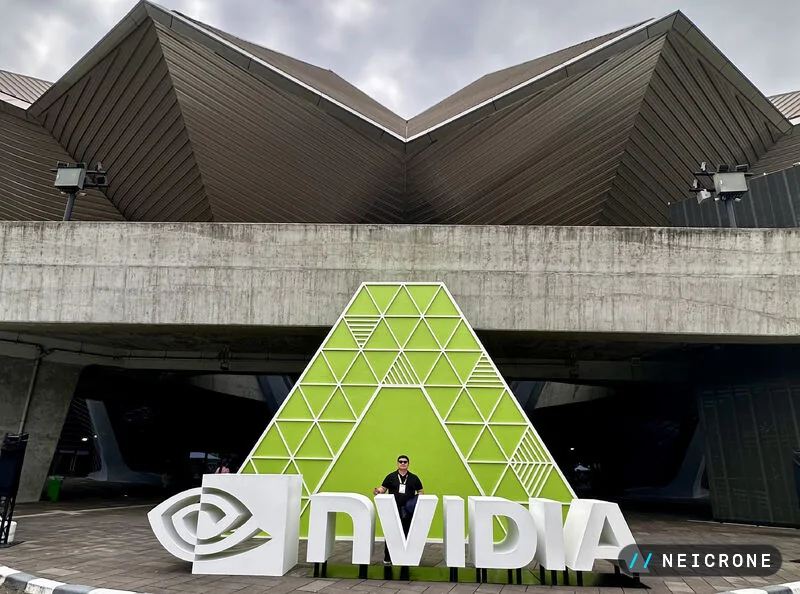
Moving between meetings, site visits, and demonstrations across the island reinforced a simple truth: the physical layer of AI will matter just as much as the intelligence layer.
Building this next era requires interdisciplinary collaboration across fields that historically operated in silos — machine learning, robotics, industrial control, logistics, sensor hardware, semiconductor fabrication, and field operations.
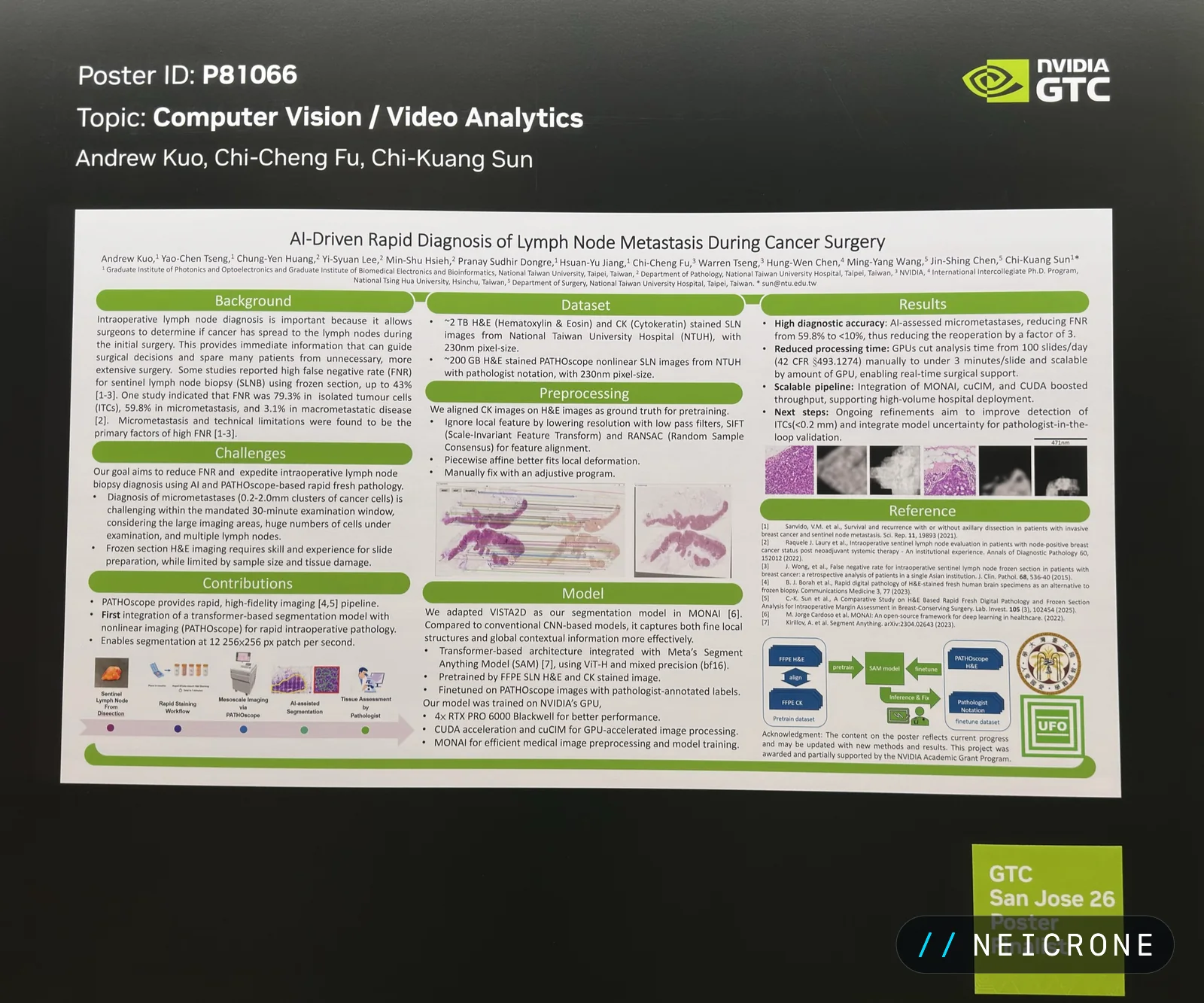
From intelligence to physical evidence
This is why GTC 2026 directly mirrored Neicrone's long-term trajectory.
The AI industry is scaling at an industrial pace. Yet as models become more capable, an uncomfortable question emerges: How do we verify that an intelligent system will act safely and predictably when deployed in the physical world?
Simulation answers some questions. Controlled lab tests answer others. Benchmarks offer standardized baselines. But ultimately, autonomous systems must run against real, unpredictable environments.
This reality creates an urgent infrastructure requirement around the model:
- 01Sensors must capture the environment with absolute fidelity.
- 02Edge processors must execute local inference without losing critical context.
- 03Telemetry must preserve provenance and context in real time.
- 04Operational data must remain auditable and untampered.
- 05Validation must be benchmarked against independent physical evidence.
When a system fails or encounters an anomaly, operators need to know more than just what happened — they need traceable context explaining where, when, under what environmental state, and why.

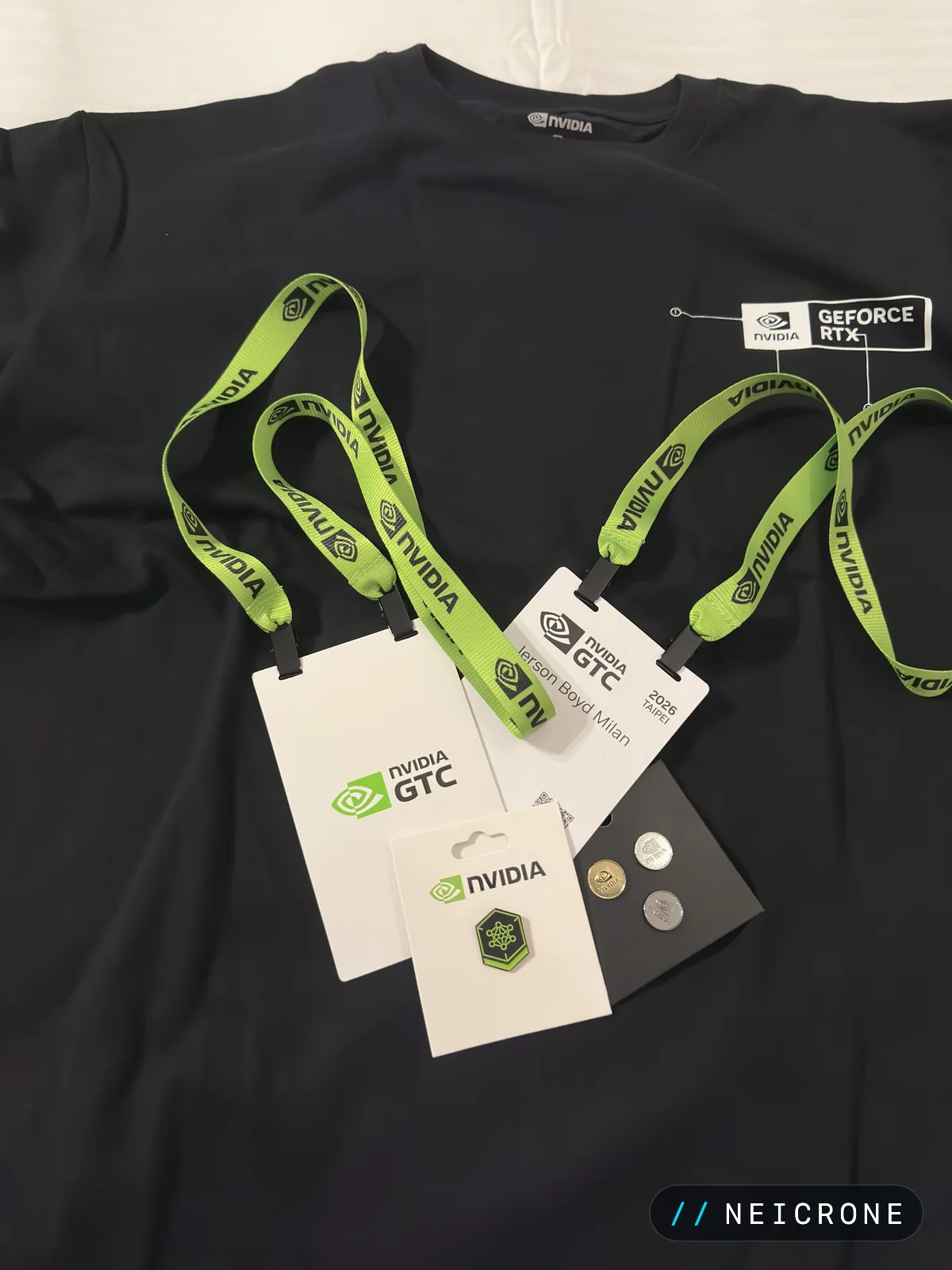
This is the problem space Neicrone occupies: building the underlying infrastructure that grounds AI in measurable physical reality. We aren't building another foundation model; we are building the verification and data infrastructure required for intelligent systems to operate reliably beyond the screen.
What remains after GTC
Every GTC leaves you with a core takeaway. This year, it was this: AI is no longer emerging — it is deploying at industrial scale.
The next epoch will be less about proving that models can be smart, and far more about engineering the infrastructure that allows that intelligence to operate safely, predictably, and continuously in the real world.
That requires compute, energy, and algorithms — but it also requires robust sensors, edge orchestration, and telemetry built for the messiness of physical reality. The technology is moving fast; the physical infrastructure must catch up.
For Neicrone, that is where our work begins. Not with the assumption that the model is the complete product, but with a different question:
What does it take to make intelligence reliable when it meets the real world?
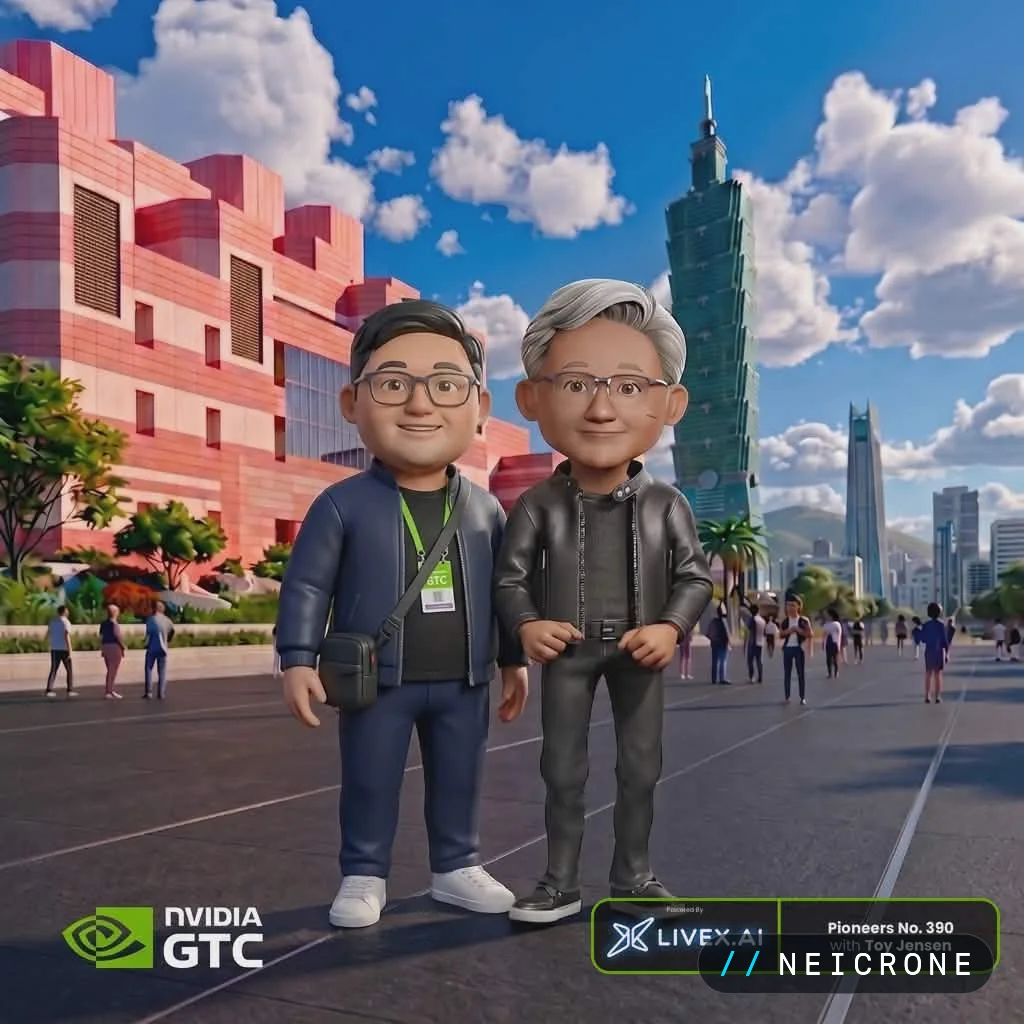
That question will continue to guide our architecture. And the most valuable part of GTC 2026 was not leaving with a single static answer, but connecting with the community of builders constructing the pieces alongside us.
— Neicrone