Field Notes · Taiwan · August 2026
Back in Taiwan: Conversations Over Demos
TAIROS, Automation Taipei and the 2026 International Robotics Forum: the most useful part of the trip was not on the exhibition floor. It was the conversations around it.
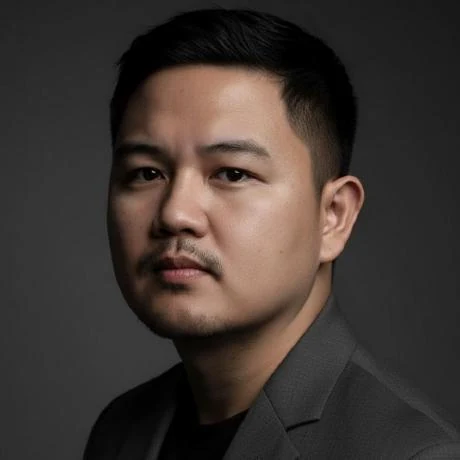
Jerson Boyd Milan
Founder, Neicrone
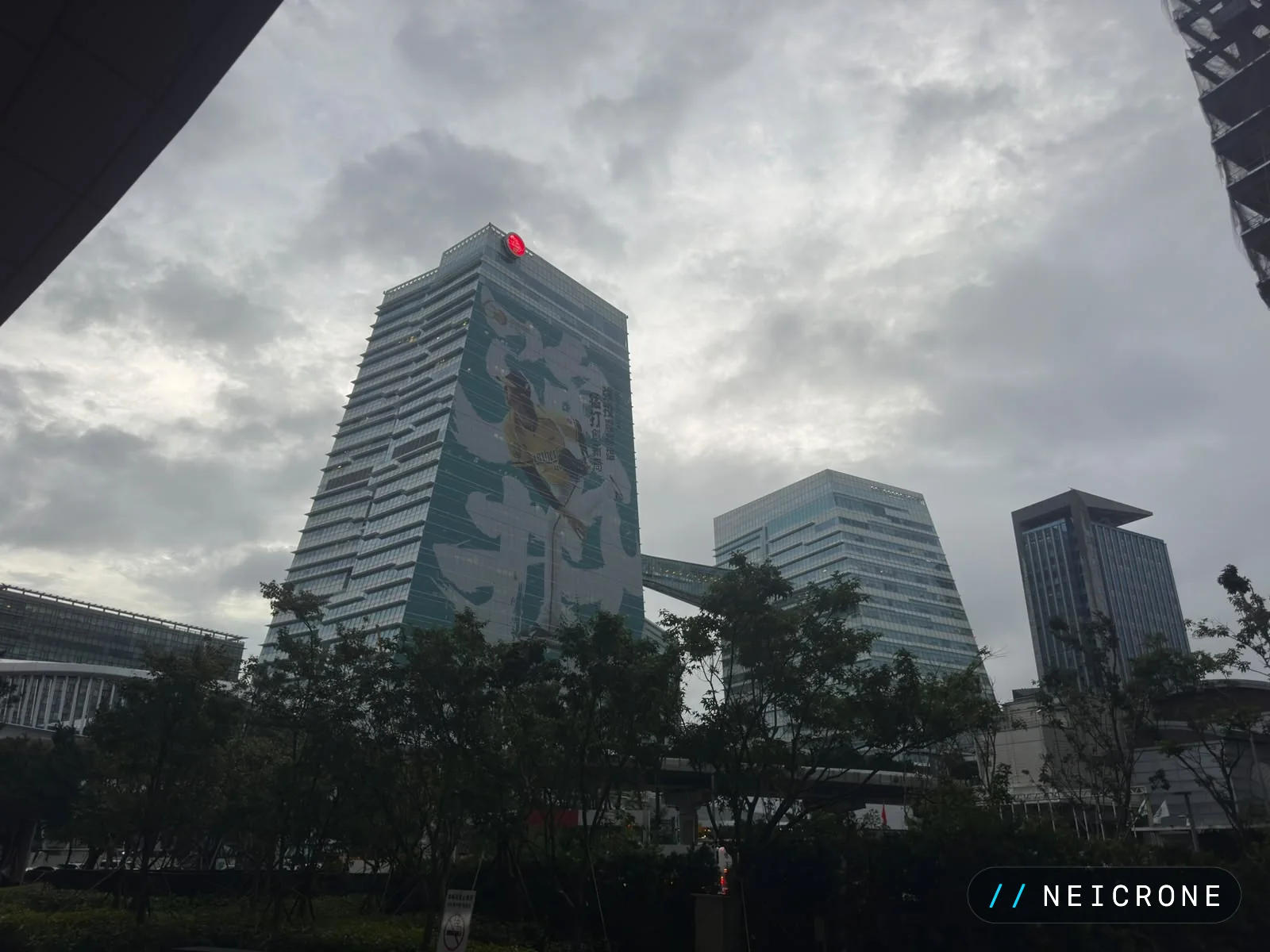
Returning to Taiwan in August brought a familiar combination of technology, manufacturing, robotics, and people building at the edge of what machines can do.
The visit included Taiwan Automation Intelligence and Robot Show 2026 (TAIROS), Automation Taipei 2026, and the 2026 International Robotics Forum: AI-Powered Robotics — Opportunities in the U.S. Market. The exhibitions brought together robotics companies, automation manufacturers, industrial computing firms, machine-vision providers, system integrators, and component suppliers across the ecosystem.
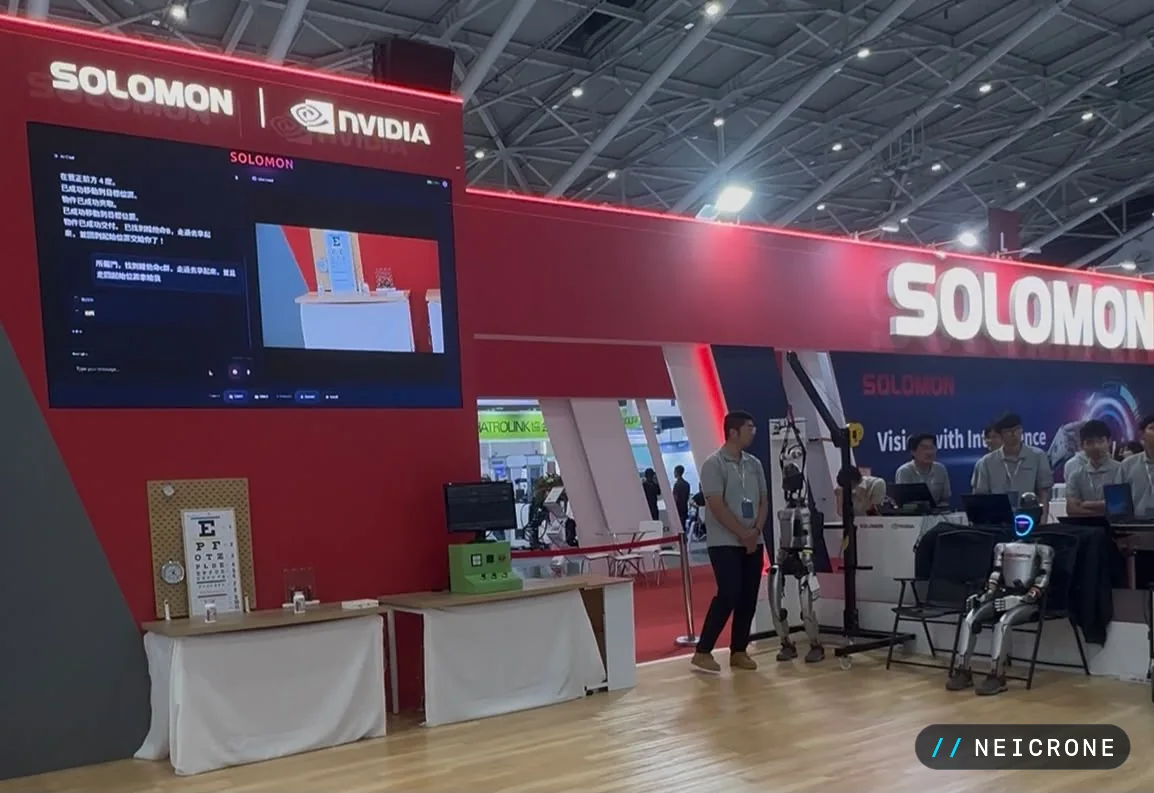
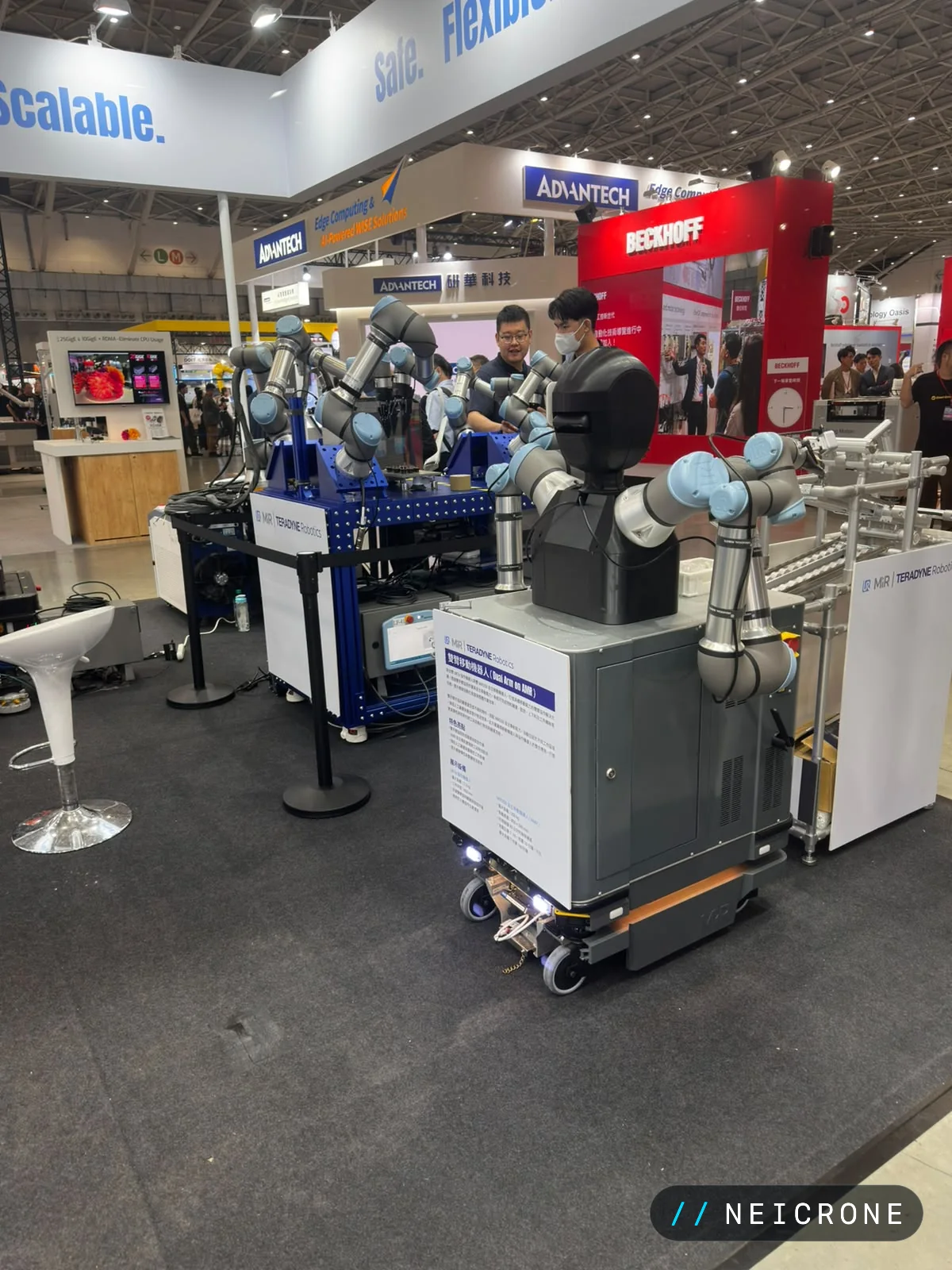
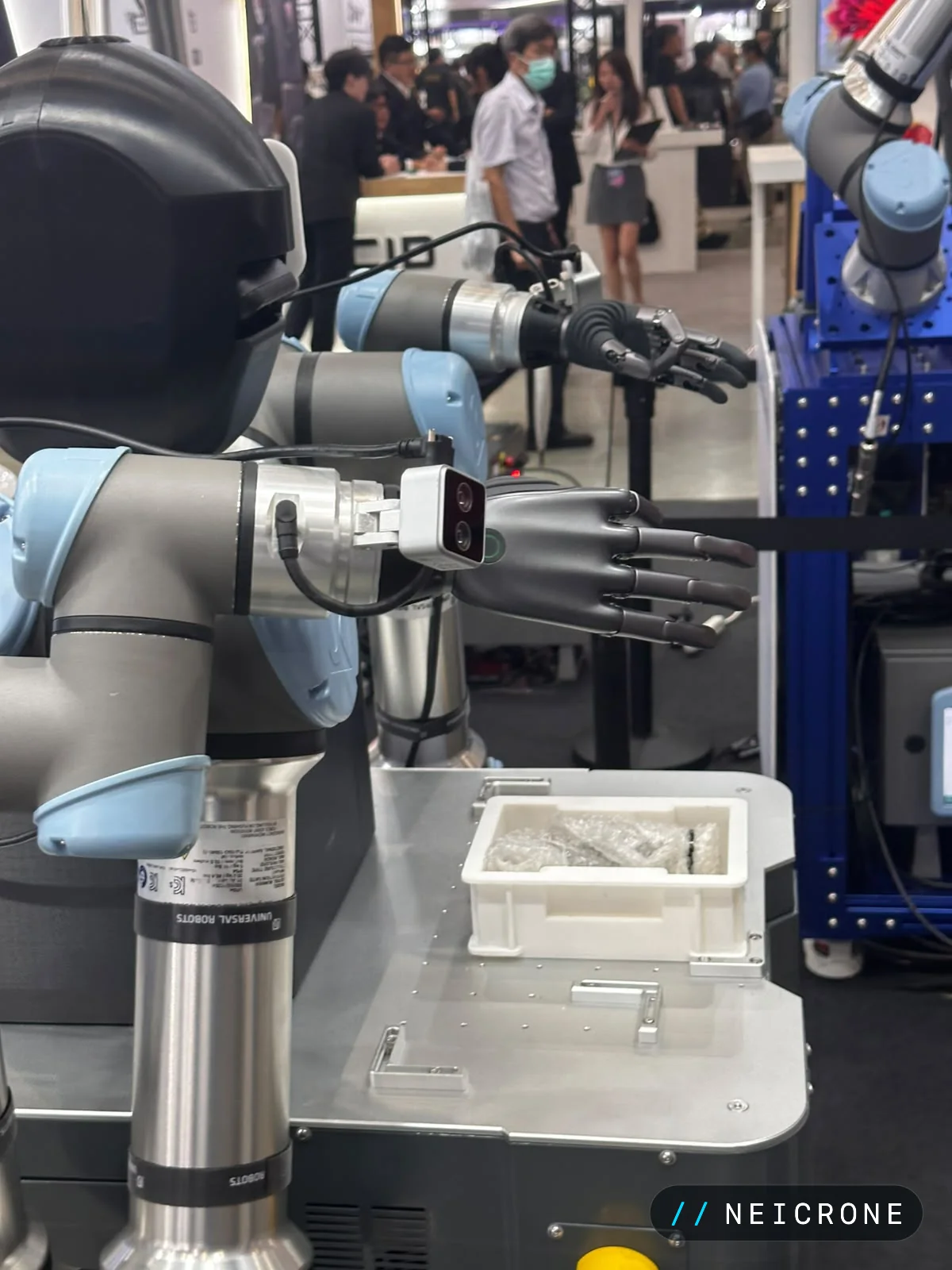
But the most useful part of the trip was not necessarily what was on the exhibition floor.
It was the conversations around it.
Beyond the demonstration
Exhibitions are good at showing capability.
A robot moves.
A vision system recognises an object.
A manipulator completes a task.
An edge computer runs a model.
A production system connects everything together.
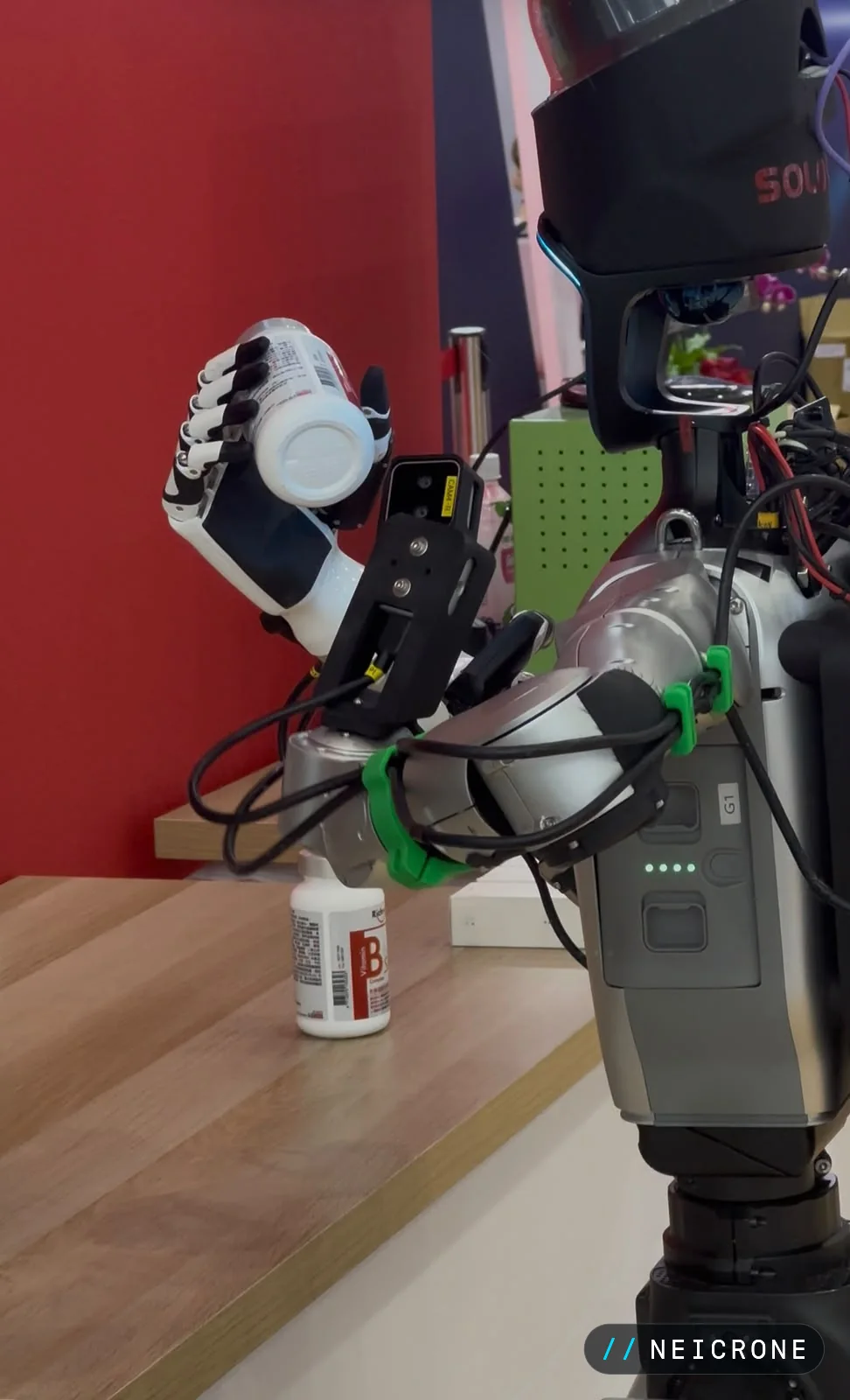
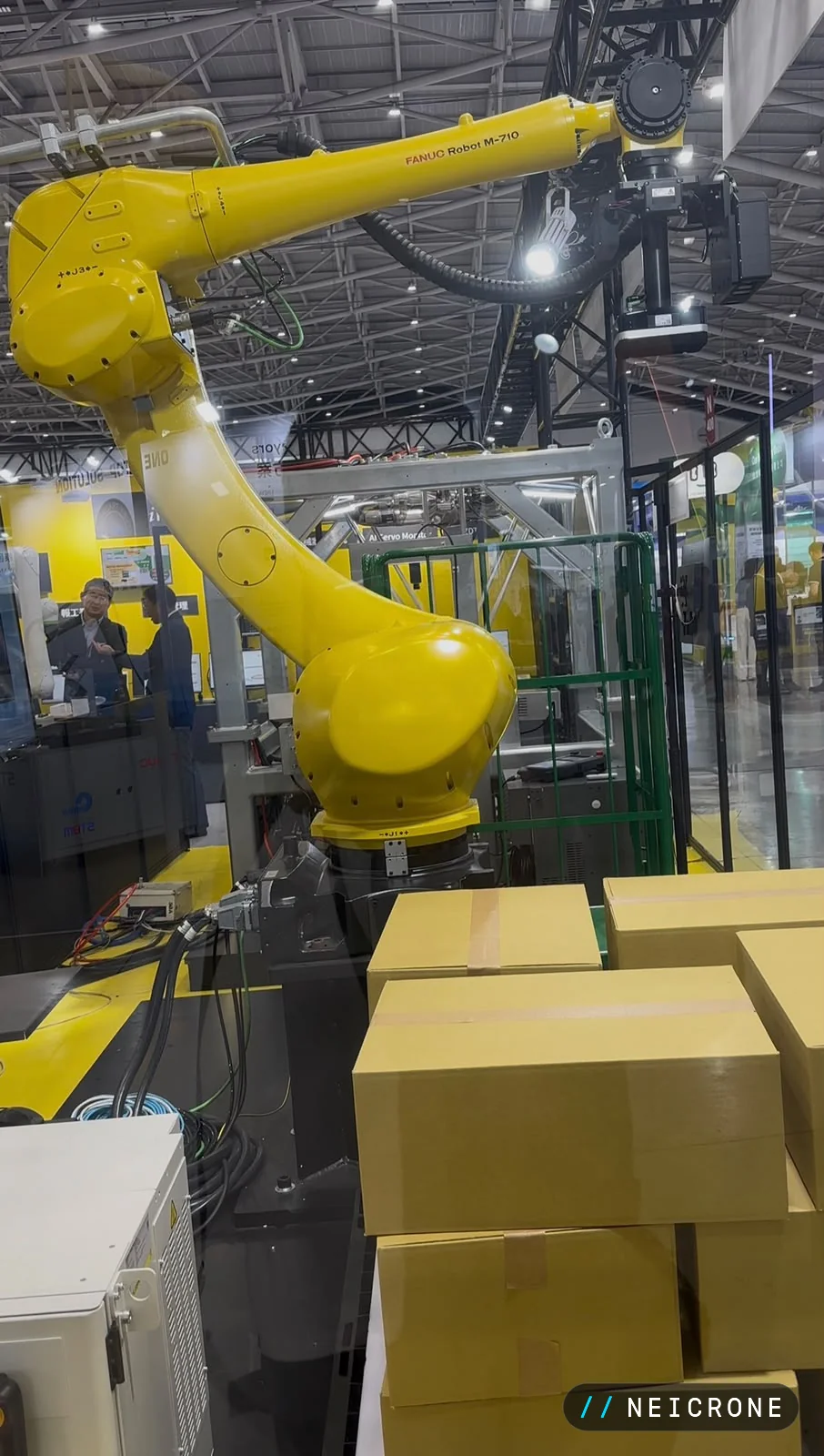
The harder questions begin after the demonstration.
What happens when the environment changes?
What happens when the surface is unpredictable, the lighting shifts, sensors disagree, equipment wears, connectivity becomes unreliable, or an autonomous system encounters something outside the conditions it was validated against?
And, perhaps most importantly:
What evidence tells us that the system is ready to operate?
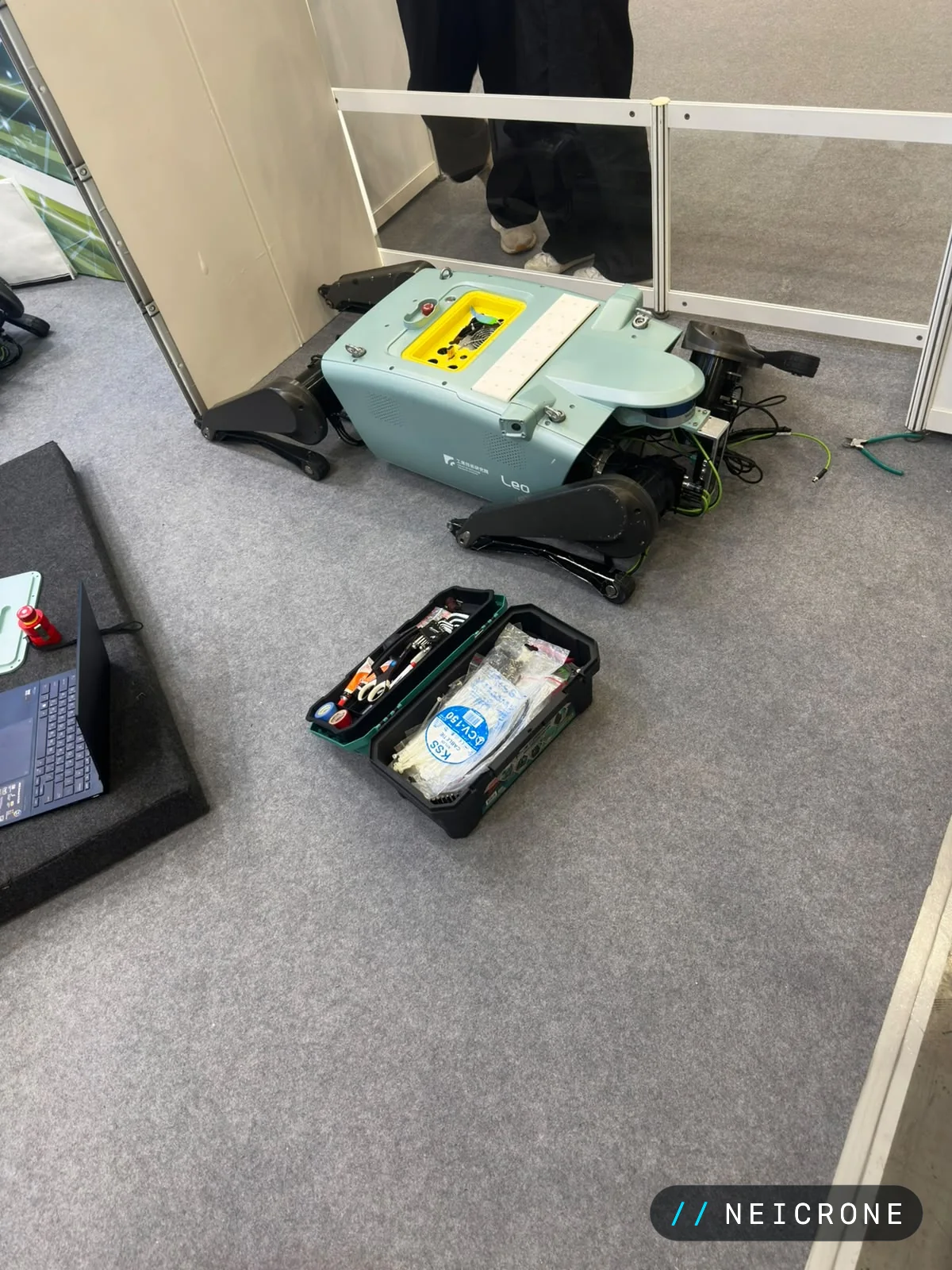
These questions increasingly sit at the centre of Physical AI.
A view from the ecosystem
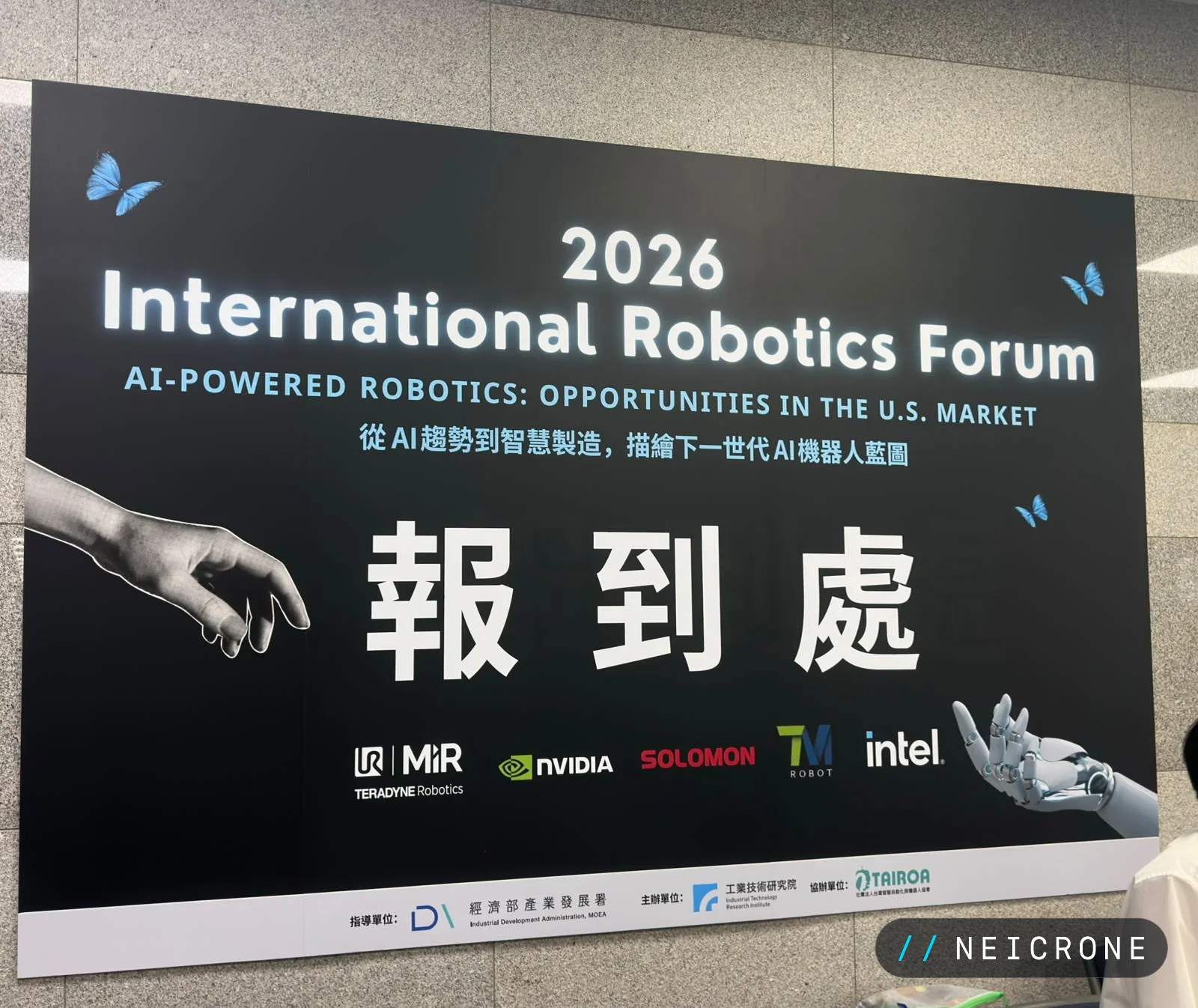
The 2026 International Robotics Forum on August 19 brought together perspectives from across the robotics stack, including Teradyne Robotics, Intel, Solomon Technology, Techman Robot, and NVIDIA. The forum focused on AI-powered robotics, industrial applications, collaboration, and opportunities in the U.S. market. Around 160 industry participants attended.
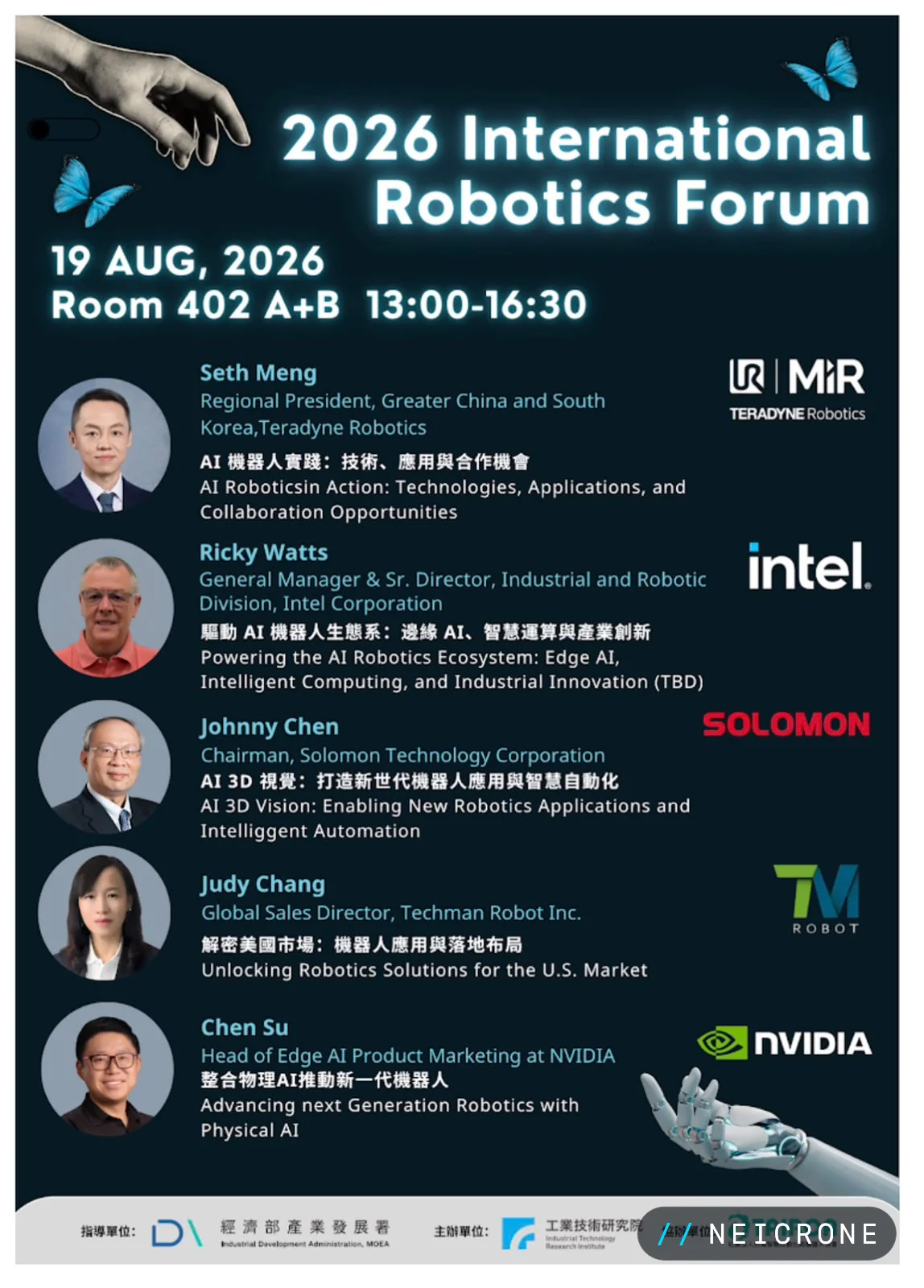
The speakers represented different parts of the same emerging system.
Seth Meng, Regional President for Greater China and South Korea at Teradyne Robotics, discussed AI robotics in action and the technologies, applications, and collaboration opportunities shaping deployment.
Ricky Watts, General Manager and Senior Director of Intel's Industrial and Robotic Division, addressed the computing layer behind the emerging AI robotics ecosystem.
Johnny Chen, Chairman of Solomon Technology Corporation, presented the role of AI 3D vision in enabling new robotics applications and intelligent automation.
Judy Chang, Global Sales Director at Techman Robot, addressed robotics solutions and the U.S. market.
Chen Su, Head of Edge AI Product Marketing at NVIDIA, discussed the next generation of robotics and Physical AI.
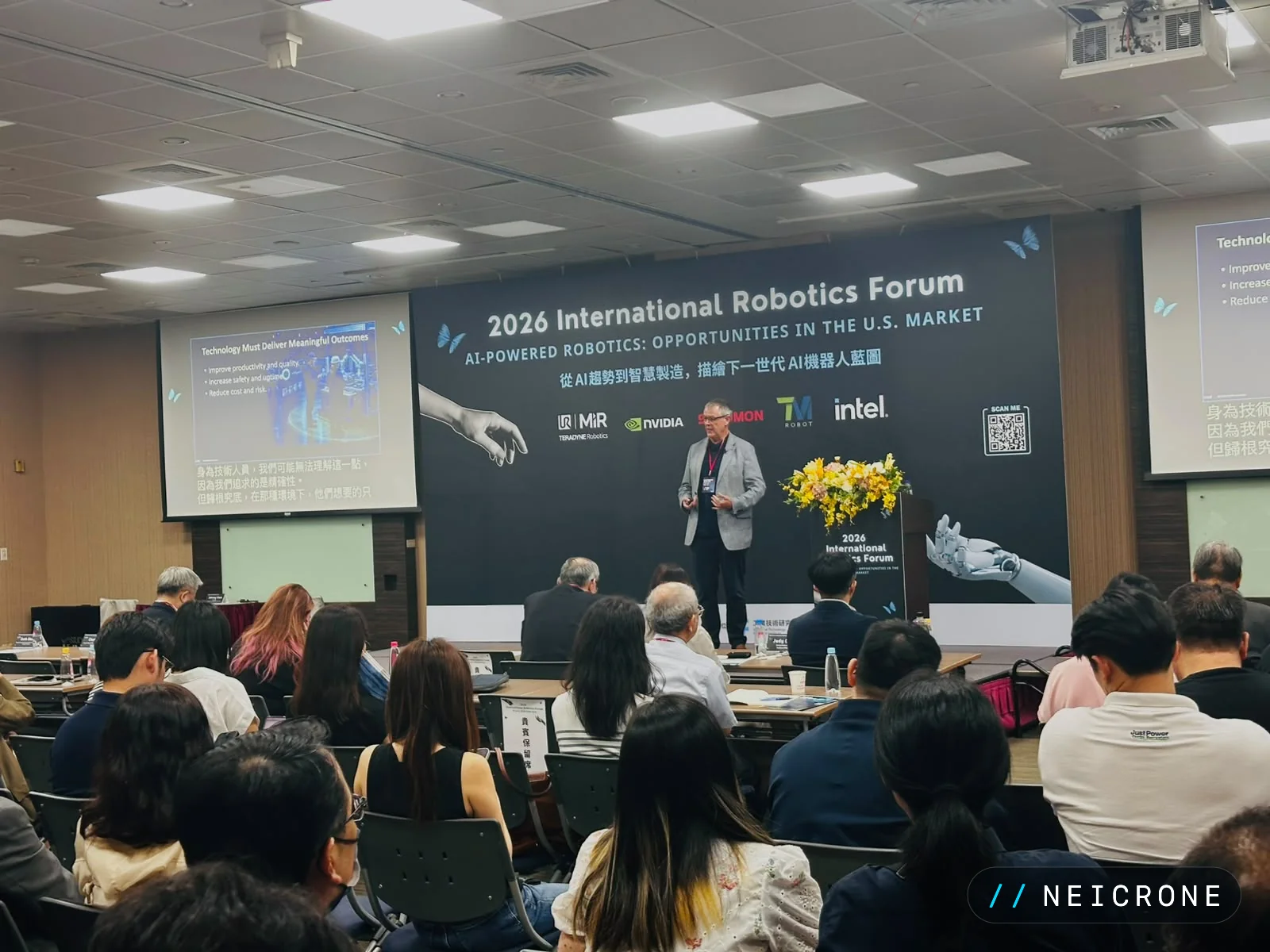
What was notable was the breadth of the conversation.
Physical AI is not one technology.
It is an intersection of compute, perception, sensors, robotics, software, manufacturing, connectivity, system integration, and the environments in which these systems ultimately have to operate.
That changes the engineering problem.
The deployment problem
I also had the opportunity to meet Ricky Watts and discuss Intel's industrial and robotics ecosystem, including some of the challenges surrounding Physical AI.
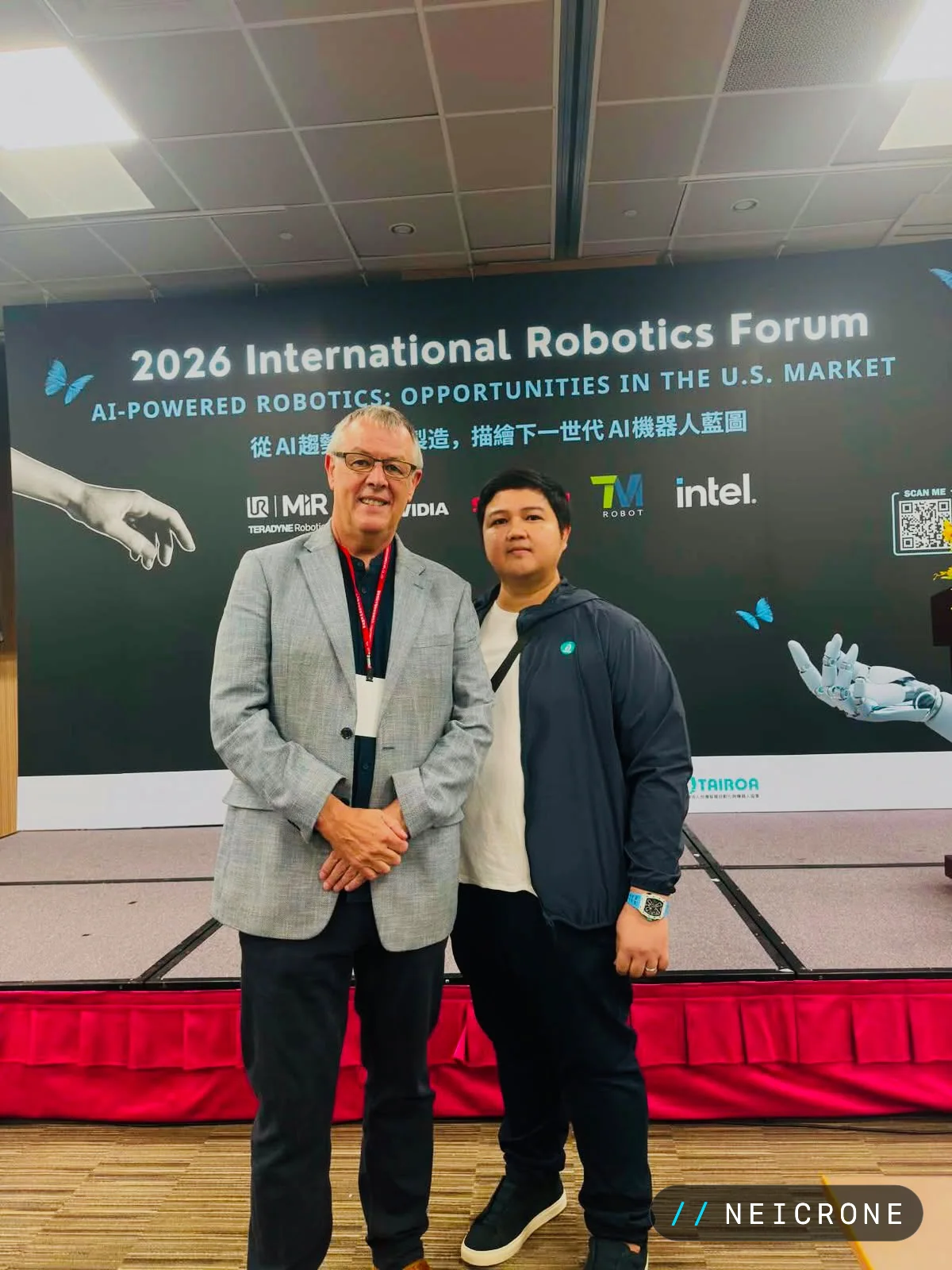
There were also conversations with Leonard Leung and Reed Giovannetti, founders and co-founders of DeviceNexus, and Carlos Argueta, a robotics researcher in Taiwan.
Special thanks to YI ZHONG CHEN for the introduction and connection to the team, as well as Hsu Rita of Qisda, Johnny of Solomon Technology and AI 3D Vision, and Robbie of ASRock Industrial.
These conversations provided something an exhibition floor cannot:
context.
A demonstration tells you what a system can do under a particular set of conditions.
A conversation starts revealing why it works, where it breaks, what remains unresolved, and what is required to deploy it repeatedly.
That distinction matters.
From capability to deployment
The robotics industry has spent years increasing capability.
Better sensors.
Better actuators.
Better perception.
Better planning.
Better models.
More compute.
The next challenge is increasingly downstream.
A system can demonstrate impressive intelligence and still be difficult to deploy.
The gap is not necessarily another model benchmark.
It can be the physical environment.
Real-world conditions introduce variables that are difficult to reproduce completely in simulation: changing surfaces, weather, mechanical wear, occlusion, unexpected obstacles, sensor degradation, network limitations, and the long tail of events that rarely appear in curated demonstrations.
This is where the question changes from:
How capable can we make the machine?
to:
How do we make physical intelligence reliable, deployable, and economically useful?
That is a different infrastructure problem.
Why the physical layer matters
At Neicrone, this is the direction we are interested in.
Our view is that the bottleneck in Physical AI is moving downstream of the model — toward the infrastructure required to collect, structure, validate, and operate against physical-world evidence.
A physical AI system needs more than perception.
It needs context.
It needs machine state.
It needs spatial and temporal information.
It needs traceability.
And consequential systems need operational controls around the actions they take.
This is why we think about the problem as an infrastructure layer connecting perception → context → evidence → control.
The objective is not simply to collect more data.
It is to understand the conditions under which the data was produced, preserve its provenance, and turn physical observations into evidence that can support evaluation and deployment.
That means the field itself becomes part of the system.
Taiwan as a useful reference point
Taiwan makes this particularly visible.
The robotics and automation ecosystem brings together machine builders, industrial automation companies, machine-vision specialists, embedded computing firms, semiconductor capabilities, component manufacturers, and system integrators in close proximity.
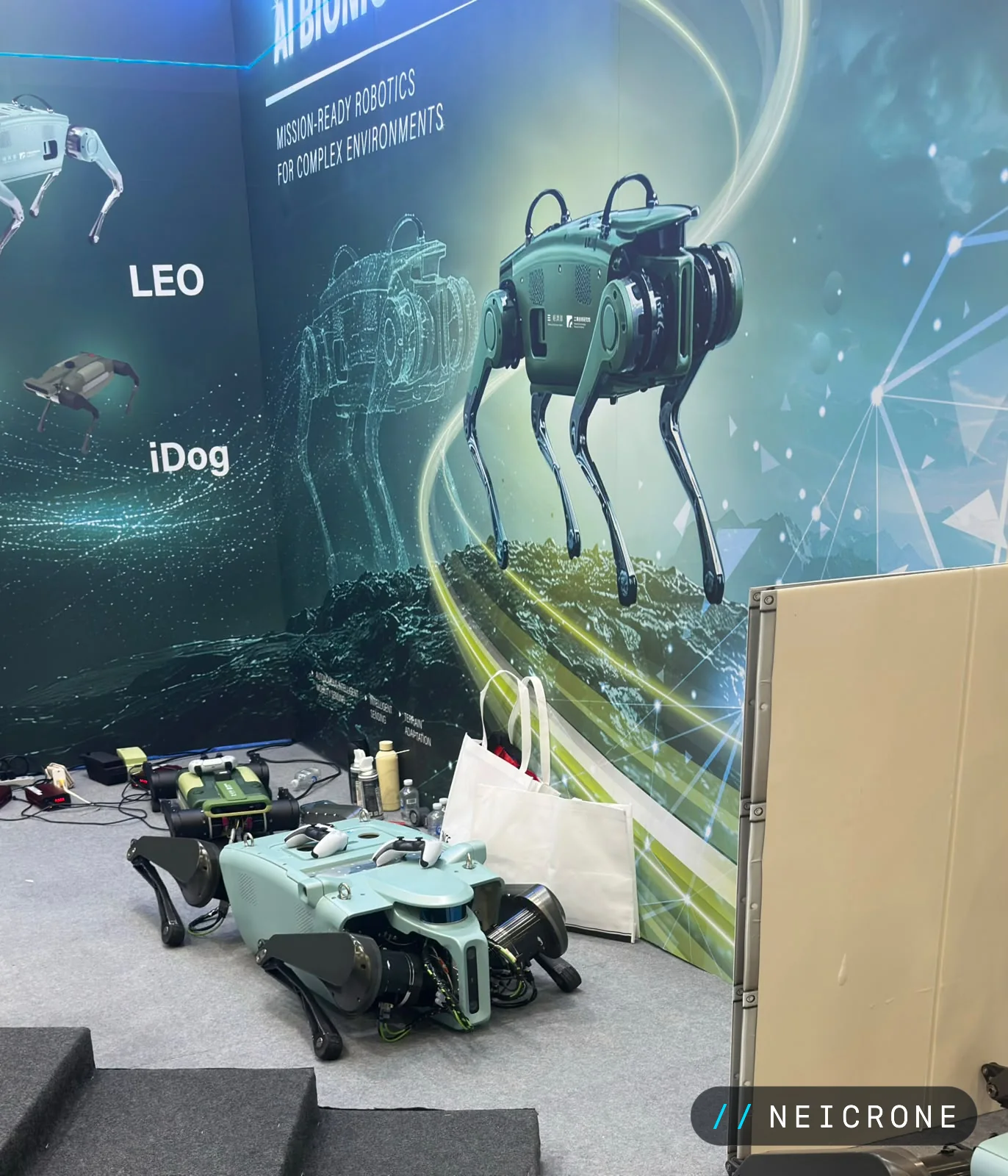
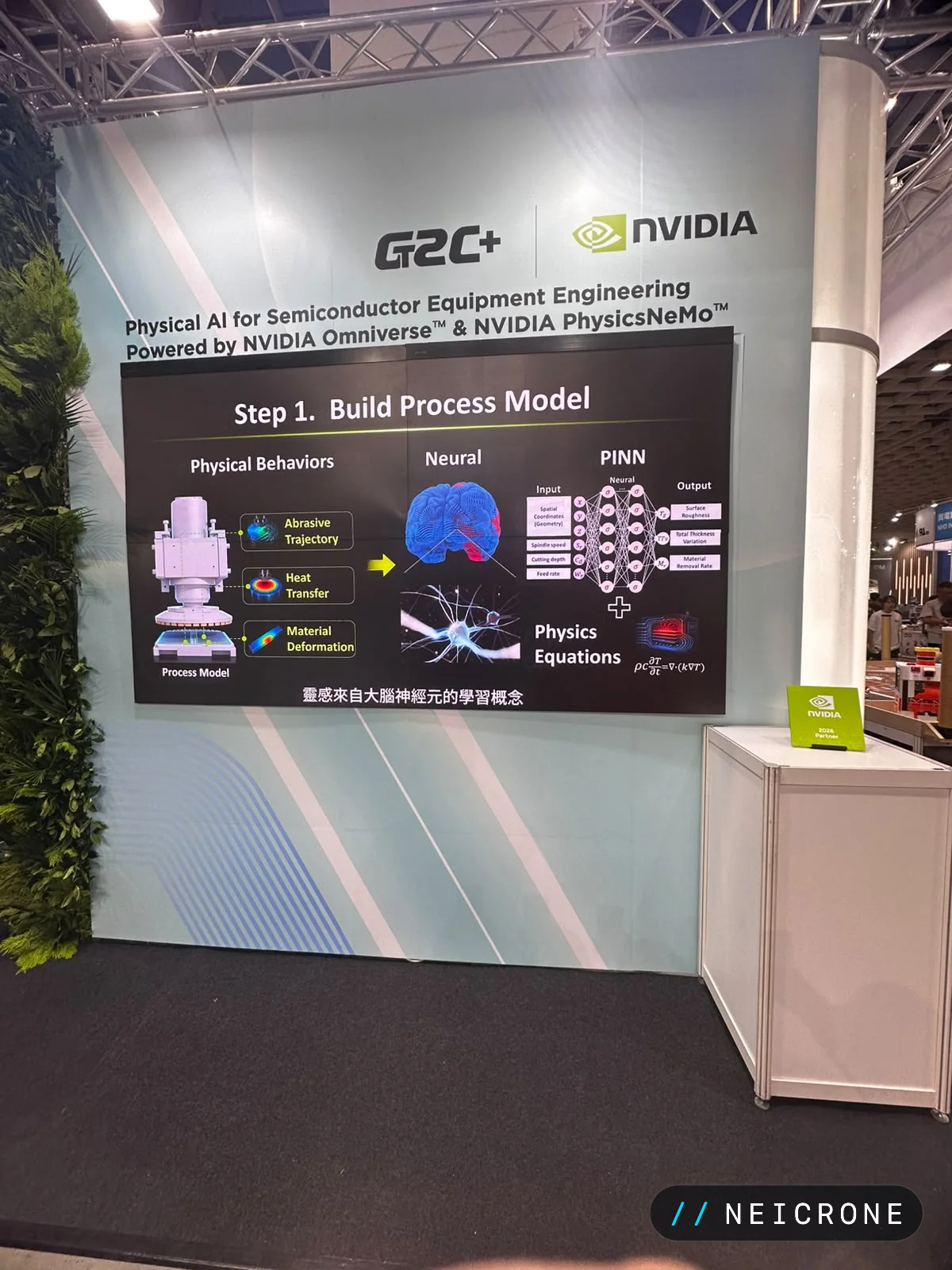
TAIROS 2026 alone brought together a broad range of robotics and automation companies, including Solomon Technology, Techman Robot, Yaskawa, Delta, Mitsubishi Electric, Advantech, Moxa and others.
The ecosystem illustrates something important:
Physical AI will not be built by AI companies alone.
It will emerge from the interaction between intelligence and the industrial systems that allow intelligence to become physical.
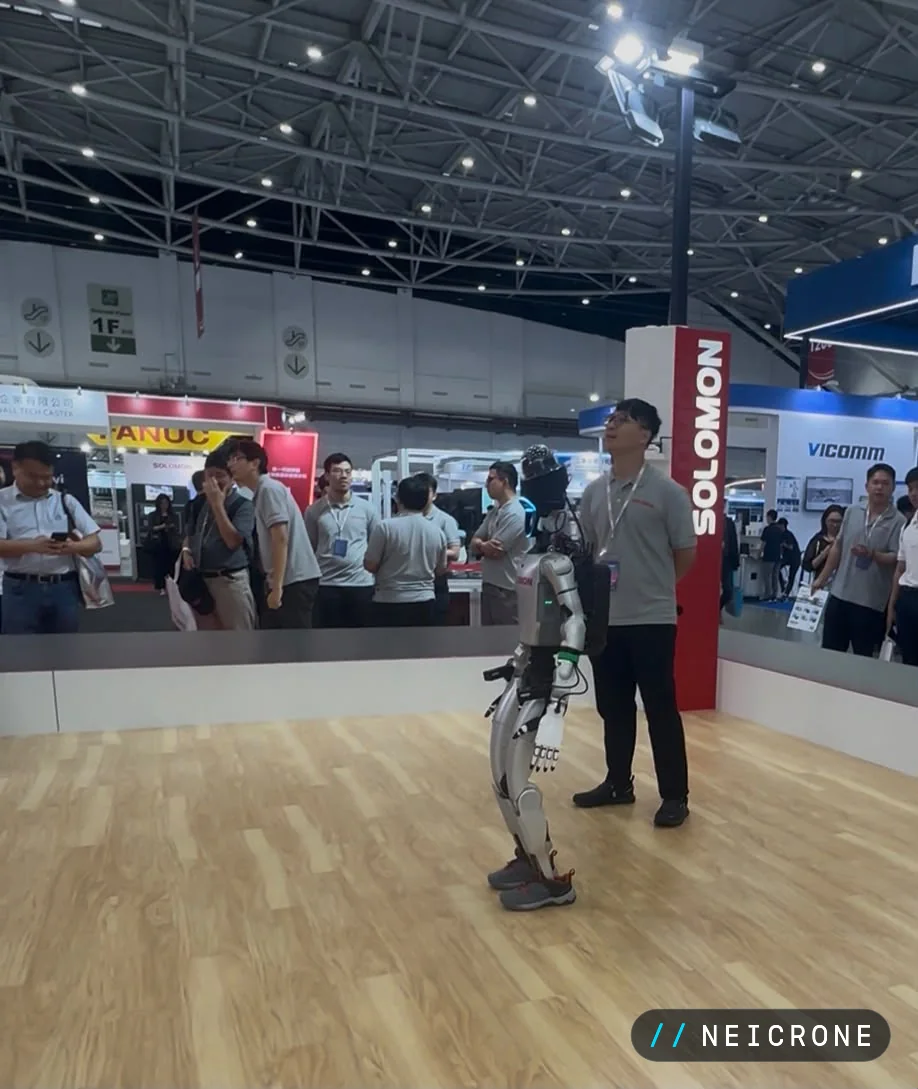
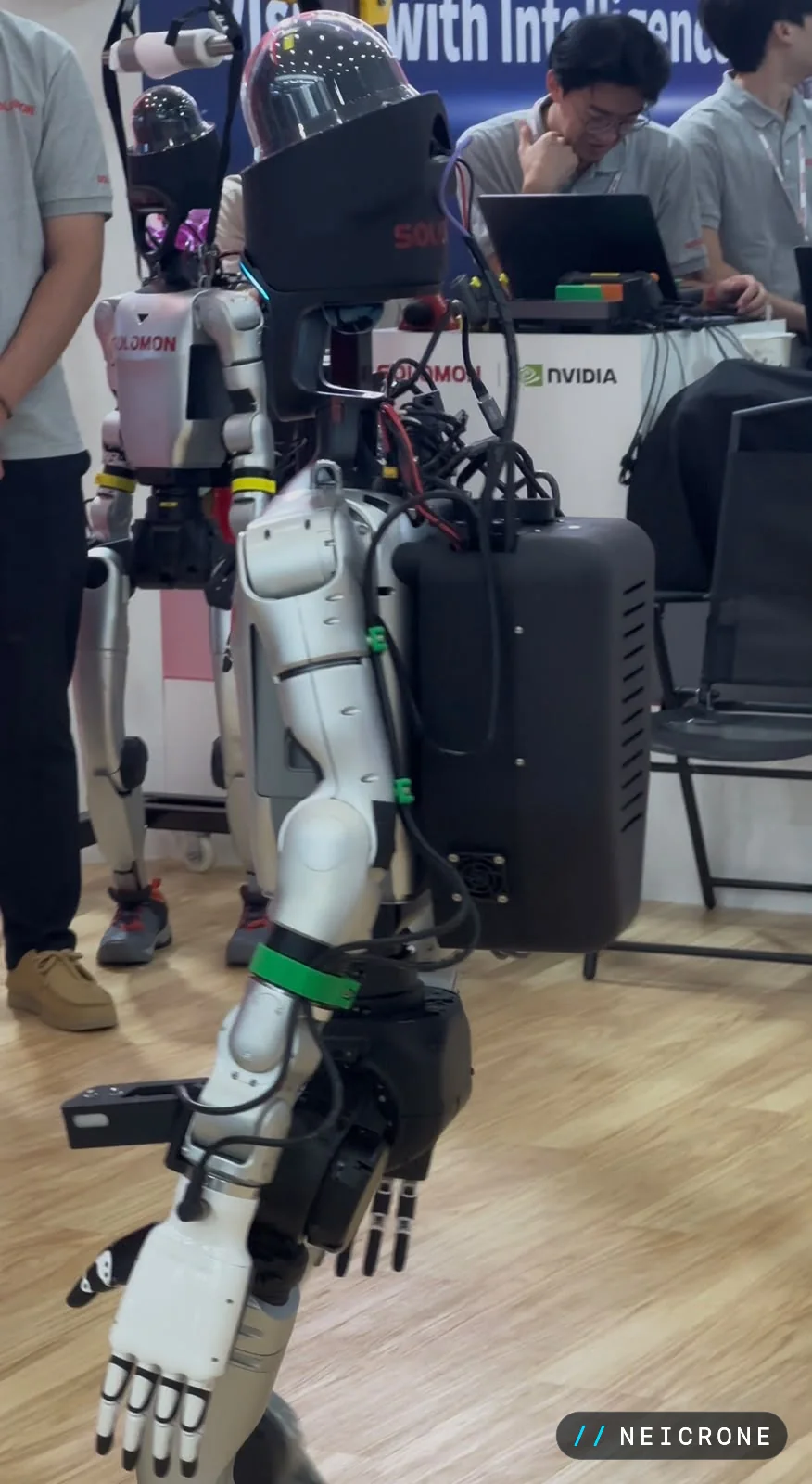
That interaction is where many of the difficult engineering questions live.
From assistance to productivity
There is an important transition underway.
The first phase of intelligent machines is often about capability.
Can the machine see?
Can it understand?
Can it navigate?
Can it manipulate?
The next phase is assistance.
Can it work alongside people?
Can it reduce repetitive work?
Can it provide useful information at the point of operation?
The harder phase is productivity.
Can it operate reliably enough to become part of a real workflow?
Can its performance be measured?
Can failures be investigated?
Can the system be improved from field evidence?
Can deployment be repeated economically?
That progression — capability → assistance → productivity — is one of the more useful ways I think about the next stage of Physical AI.
What comes next
The interesting question is no longer whether AI is becoming physical.
It is.
The more important question is what infrastructure will allow that intelligence to operate reliably in the physical world.
That includes the edge.
The sensors.
The data pipelines.
The physical test environments.
The telemetry.
The validation process.
The evidence trail.
And the operational controls around consequential actions.
The trip back to Taiwan reinforced that view.
The technology is advancing quickly.
But the distance between a successful demonstration and a dependable deployment remains where much of the work is still to be done.
The future of AI isn't only becoming more intelligent. It is becoming increasingly physical.
And making that transition work will require more than better models.
It will require infrastructure built around the reality those models have to operate in.
— Neicrone